
Where it Started
I became a physical educator because I believed movement was transformative. Ten years in a middle school gymnasium confirmed that belief every single day, but it also showed me something I wasn’t prepared for.
The educators who were changing lives weren’t necessarily the ones with the most experience or the best lesson plans. They were the ones who had found a way to sustain themselves. Who had built something internal that kept them grounded when the days were hard, and the system felt broken.
I wanted to understand that. So I went back to school.
The Research
My doctoral research in Pedagogical Kinesiology focused on one of the most urgent questions in physical education: what keeps teachers working in challenging school environments?
What emerged from years of research were three interconnected constructs that the most sustainable educators share:
• Sense of Purpose: a clear, deeply felt understanding of why this work matters that functions as an anchor in hard times.
• Resilience: the ability to move through adversity without losing their core identity as an educator.
• Psychological Flexibility: the capacity to hold difficulty, uncertainty, and imperfection without rigidity or avoidance.
These aren’t personality traits you either have or don’t. They are trainable capacities. That distinction matters enormously.
The Connection to Coaching:
From the Classroom to the Field
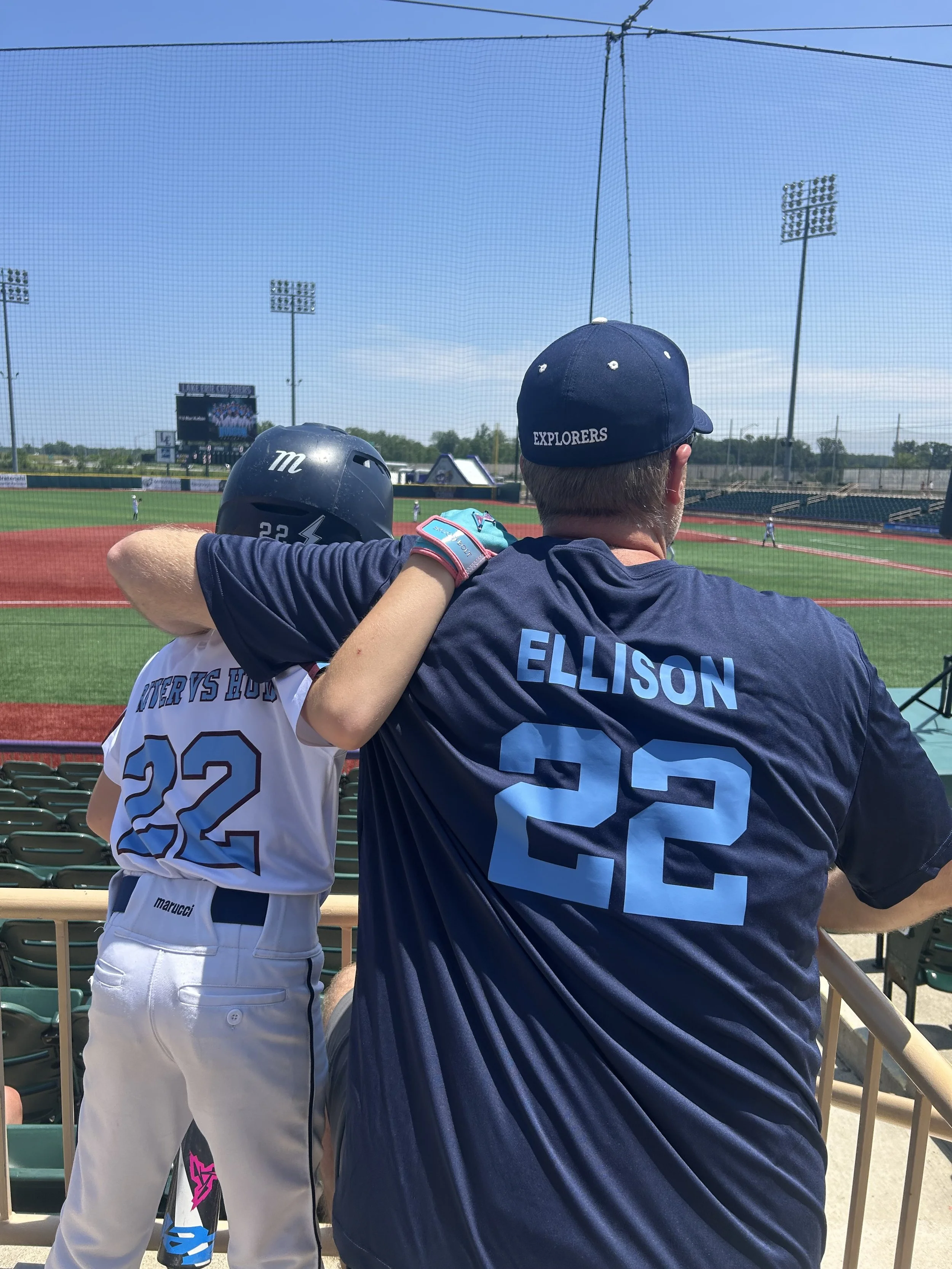
Alongside my teaching and research career, I’ve coached sport at the youth, middle school, and high school levels. And what I observed in those coaching environments confirmed everything I was finding in the research.
The athlete who disengages, burns out, or walks away from sport they once loved isn’t failing because of their physical ability. They’re failing because the environment around them never helped them develop a sense of ownership, purpose, or connection to something larger than winning. And the parent who desperately wants the best for their child often inadvertently creates the very pressure that accelerates that disengagement.
The Teaching Personal and Social (TPSR) Model gives coaches and parents a shared framework for building athletes who are responsible, self-directed, and capable of transferring what they learn from sport into every other area of their lives. That insight—that sport done right develops the whole person—is at the heart of Root and Rise Education.
My research and teaching practice also centers two frameworks that I believe every educator and youth coach needs to understand:
Trauma-Informed Practices—recognizing that many of the students and athletes who are hardest to reach are carrying experiences that affect how they experience their bodies, relationships, and authority. Movement environments can be healing or harmful depending on how we design them.
Teaching Personal and Social Responsibility (TPSR)—Don Hellison’s model for using sport and physical activity as a vehicle for life skill development. It’s the most coherent framework I’ve encountered for coaching and teaching the whole student and athlete.
Teaching the Whole Person
The Person Behind the Research
Doug Ellison, Ph.D.
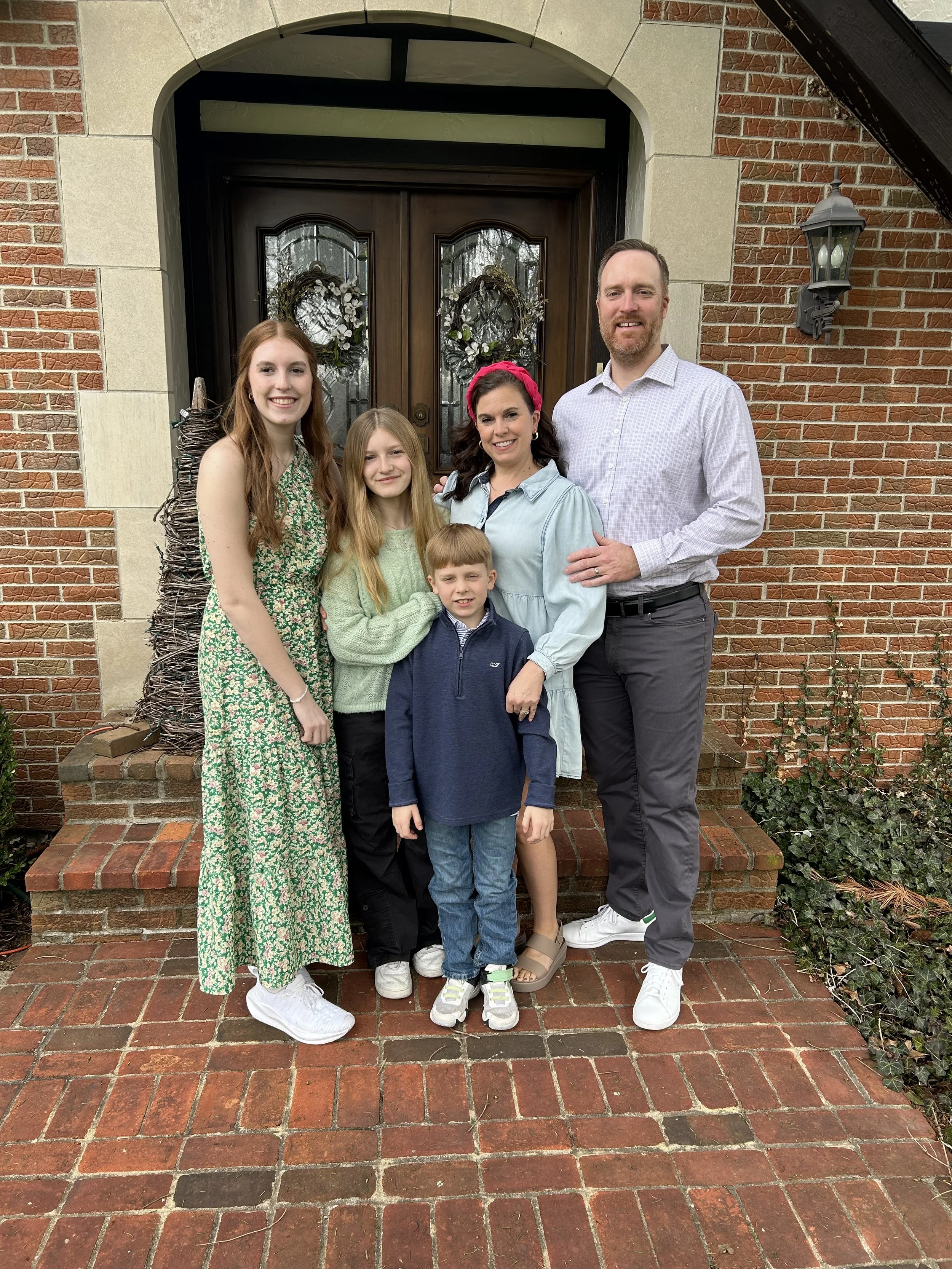
Outside of teaching and research, I’m a Dad, a husband, and a coach. I am genuinely in the middle of everything I write about. Building a sustainable life while doing work that matters is not a problem I’ve solved—it’s one I’m living, researching, and refining every day.
Root and Rise Education exists because I believe the educators, coaches, and athletes who need this research the most are rarely the ones who read academic journals. This is my attempt to change that.